Blog
The Rich Legacy of Banarasi Silk Sarees
Introduction to Banarasi Elegance
Banarasi silk sarees are a symbol of India’s rich weaving tradition and are known for their regal look, intricate brocades, and luxurious texture. Originating from Varanasi (also known as Banaras), these sarees have been part of Indian heritage for centuries and continue to captivate with their timeless charm.
The Weaving Heritage of Varanasi
The art of Banarasi weaving dates back to the Mughal era. Persian motifs merged with Indian artistic styles to create a distinctive form of silk saree that was ornate yet elegant. The weavers, primarily from the Muslim communities of Varanasi, passed down their craft through generations. The use of gold and silver zari threads, coupled with silk of the finest quality, makes Banarasi sarees one of the most luxurious textiles in the world.
Intricate Motifs and Craftsmanship
Banarasi sarees are known for their signature patterns such as floral jaal (mesh), bel (vines), paisleys, and Mughal-inspired motifs. The craftsmanship involves painstaking hand-weaving on jacquard looms, which can take anywhere from 15 days to 6 months for a single saree. Each piece is unique and reflects the dedication of the artisan.
Occasions and Styling
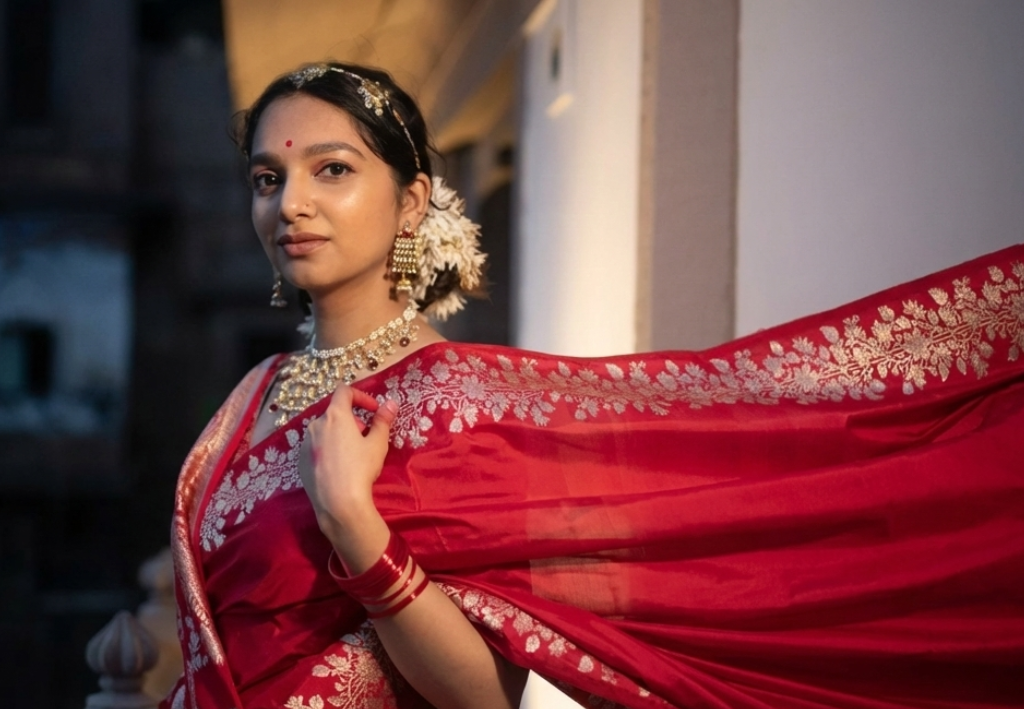
Banarasi sarees are a popular choice for weddings, especially in North India. Brides often choose red, maroon, or gold tones with heavy zari work. However, pastel and contemporary shades have also gained popularity among modern women. These sarees pair beautifully with traditional gold jewelry and are considered ideal for formal occasions and cultural events.
Preservation Tips
Due to the delicate nature of the zari and silk, Banarasi sarees should be dry-cleaned and stored in muslin cloths. Folding them differently after each use prevents permanent creases.