
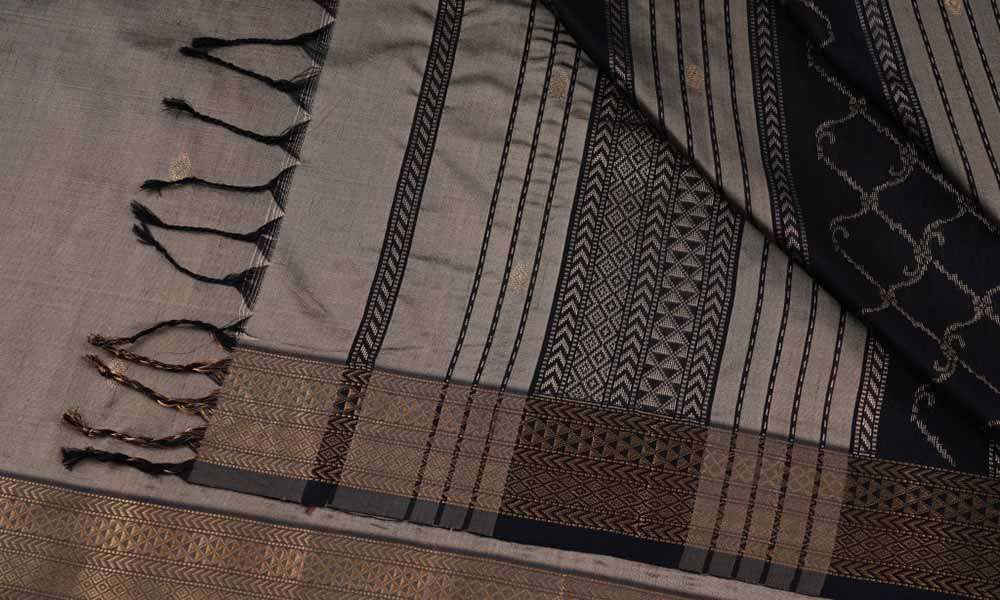
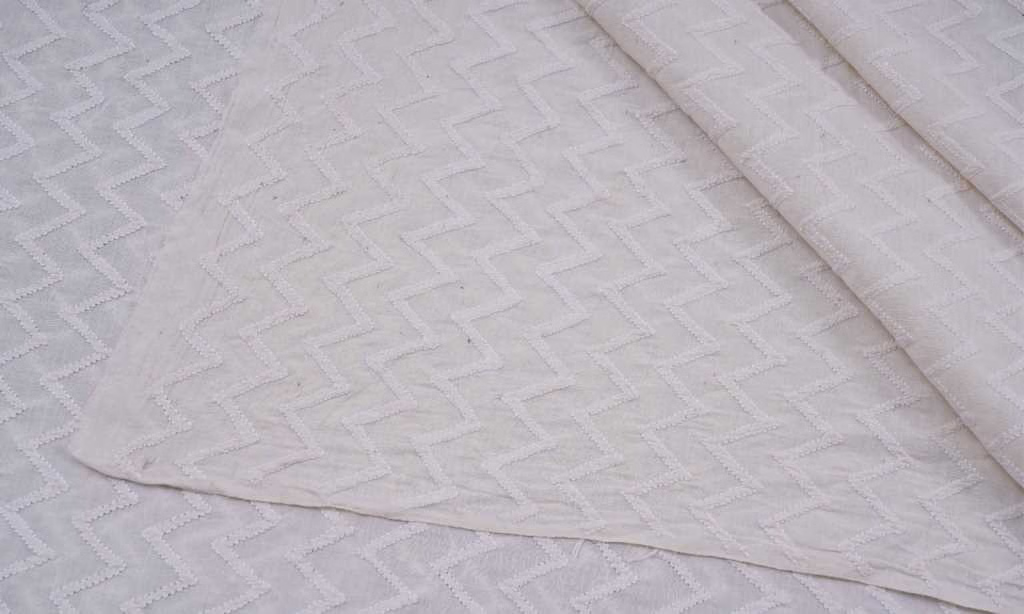
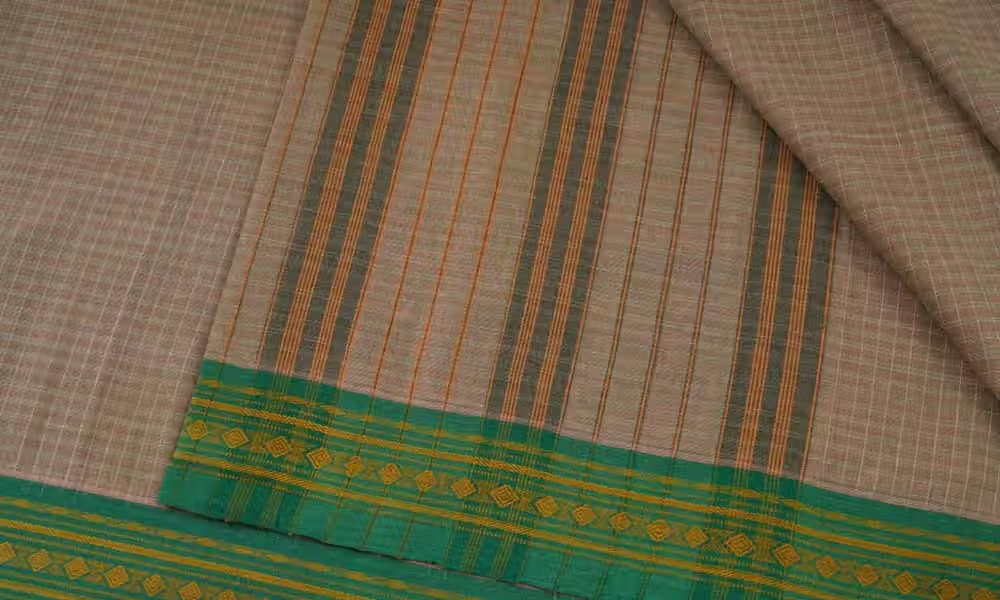
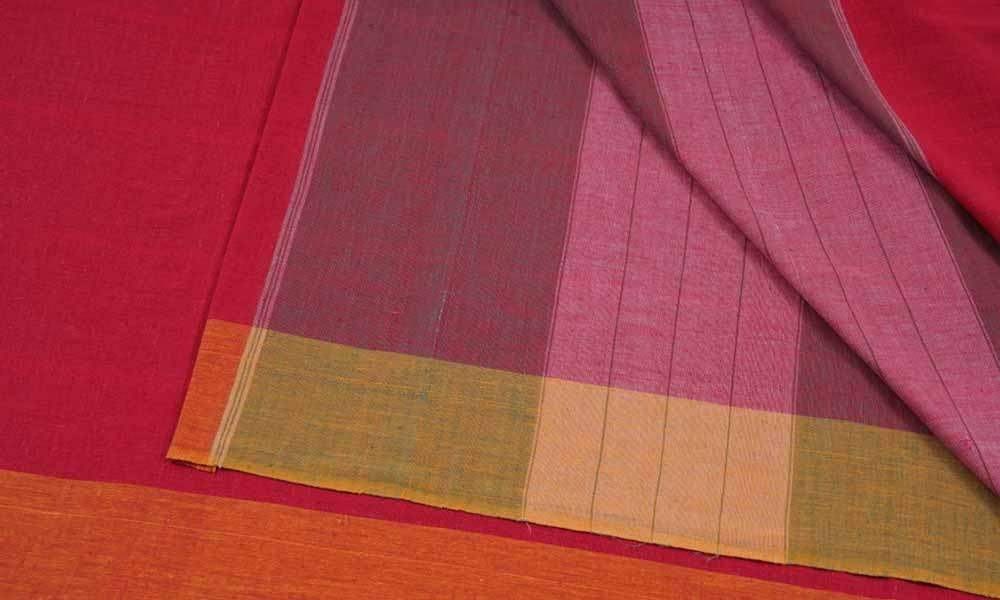

Saree History

Woven with history, wrapped in tradition.

HISTORY

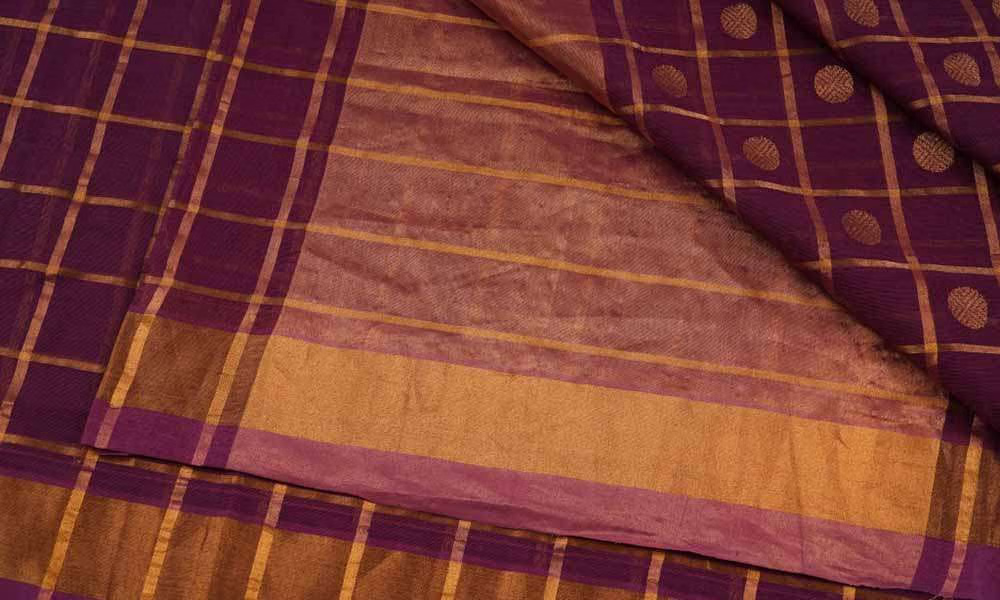
Venkatagiri Cotton Saree

 The pride of Andhra’s weaving heritage.

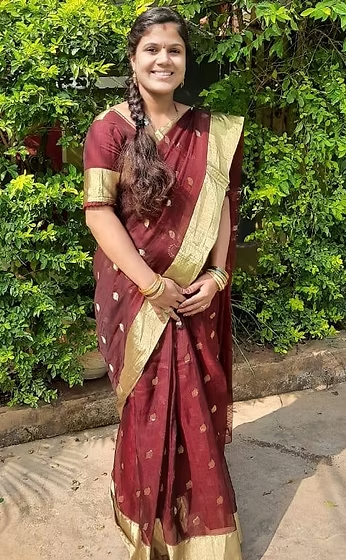
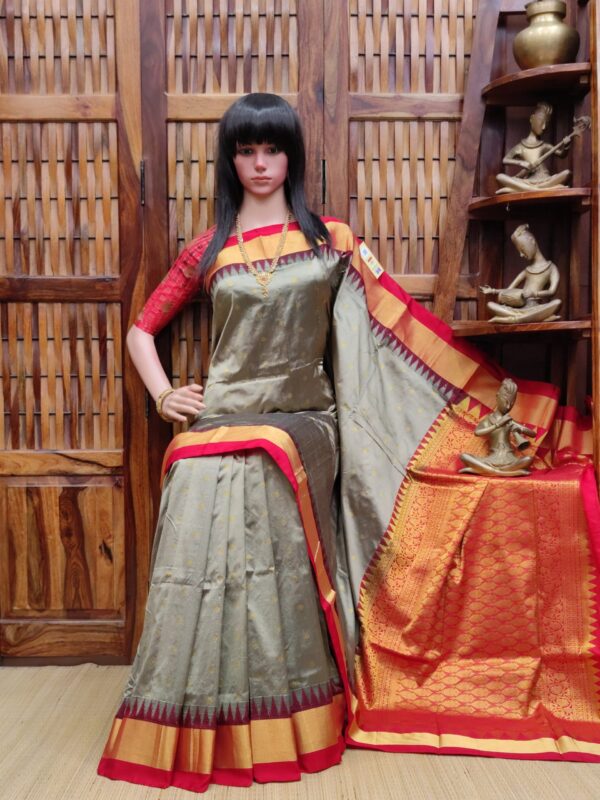
Originating from the town of Venkatagiri in Andhra Pradesh, these sarees are known for their fine cotton weave, light texture, and elegant zari borders. Woven by skilled artisans for royal families centuries ago, Venkatagiri sarees are cherished today for their comfort, durability, and understated grace.

HISTORY

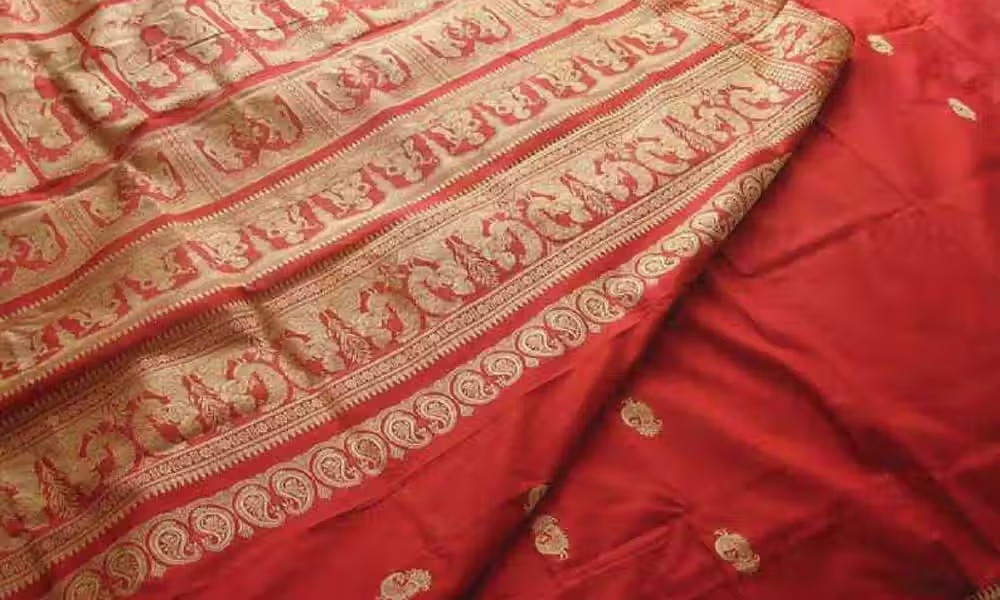
Baluchari Cotton Saree

A weave that narrates stories of heritage and art.

Originating from the Baluchar village of West Bengal, Baluchari cotton sarees are celebrated for their intricate motifs depicting mythological scenes and royal tales. Woven with fine cotton threads, these sarees combine comfort with artistry, showcasing Bengal’s centuries-old storytelling tradition through every weave.

HISTORY

Shantipur Jamdhani Saree

Elegance woven with centuries-old artistry.

Originating from Shantipur in West Bengal, Jamdhani sarees are known for their exquisite handwoven patterns created with fine cotton threads. The art of Jamdhani weaving, recognized by UNESCO as an intangible cultural heritage, blends intricate floral and geometric motifs into a lightweight, airy fabric. Traditionally worn by royalty, these sarees are prized for their elegance, comfort, and timeless appeal. Each piece is a masterpiece, reflecting the skill, patience, and creativity of generations of weavers.

HISTORY

Maheshwari Silk-Cotton Saree

Timeless elegance from the heart of Madhya Pradesh.

Originating from Maheshwar in Madhya Pradesh, Maheshwari sarees are renowned for their unique blend of silk and cotton, creating a lightweight yet lustrous fabric. Traditionally woven on handlooms by skilled artisans, these sarees feature distinctive stripes, checks, and floral borders, often with delicate zari work. Worn for centuries by both royals and commoners, Maheshwari sarees are celebrated for their comfort, durability, and understated elegance. Each saree reflects the rich cultural heritage of Maheshwar, combining artistry with everyday practicality, making it a perfect choice for festivals, weddings, and formal occasions alike.

HISTORY

Chikankari Embroidery Saree

Delicate artistry woven with grace and tradition.

Originating from Lucknow, Uttar Pradesh, Chikankari sarees are celebrated for their intricate hand-embroidered patterns on lightweight fabrics like cotton, silk, or muslin. This centuries-old craft involves skilled artisans creating floral, paisley, and geometric motifs using a combination of stitches, resulting in a delicate and elegant texture. Historically worn by royalty, Chikankari has remained a symbol of sophistication and feminine grace. Lightweight and breathable, these sarees are perfect for festive occasions, formal gatherings, and everyday elegance. Each Chikankari saree reflects the rich cultural heritage of Lucknow and the patience, precision, and artistry of generations of craftsmen.

HISTORY

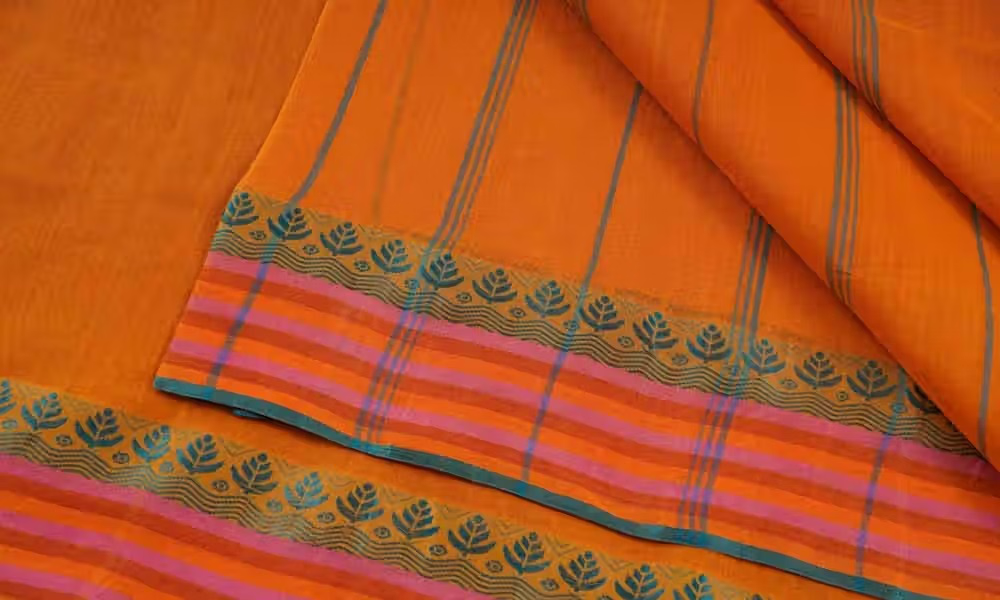
Narayanpet Cotton Saree

Tradition and elegance woven in every thread.

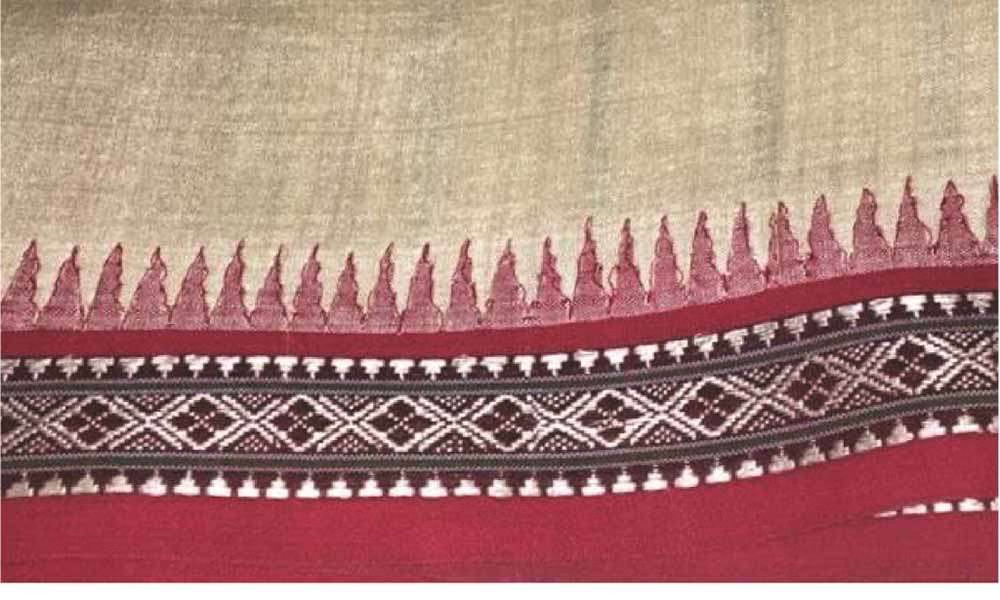
Originating from Narayanpet in Telangana, Narayanpet cotton sarees are known for their vibrant colors, bold borders, and soft, breathable fabric. Traditionally handwoven by skilled weavers, these sarees often feature simple yet striking geometric or floral patterns, combined with a contrasting zari or silk border. Worn for centuries in daily life as well as special occasions, Narayanpet sarees are prized for their durability, comfort, and understated elegance. Each saree reflects the rich cultural heritage of Telangana, showcasing the craftsmanship and artistry passed down through generations.

HISTORY

Kasuti Embroidery Saree

Intricate patterns celebrating Karnataka’s rich heritage.

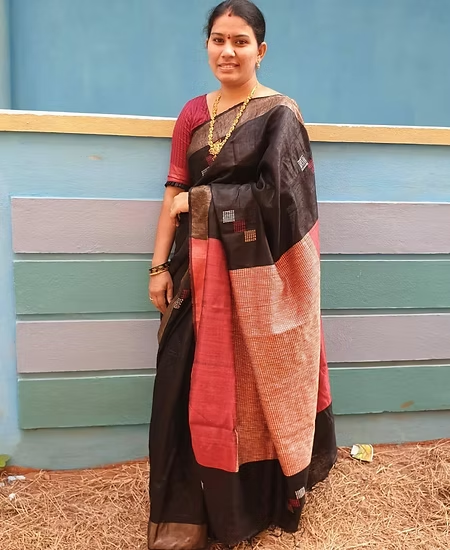
Kasuti sarees originate from Karnataka and are renowned for their delicate hand-embroidered motifs on fine cotton or silk fabric. The word “Kasuti” comes from “Kaasu” (coins) and “Katti” (stitches), symbolizing the meticulous craftsmanship involved. Traditionally, artisans create geometric patterns, temple borders, and motifs inspired by folk art, all without using knots, making the embroidery reversible. Worn historically during festivals and weddings, Kasuti sarees are cherished for their elegance, durability, and cultural significance.

HISTORY

Madhubani Handpaint Saree

Artistry and tradition painted on fabric.

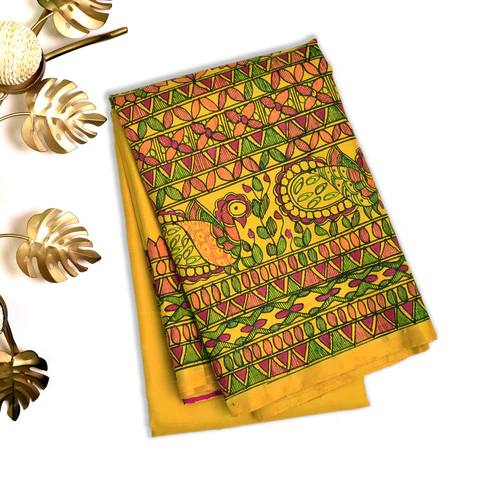
Originating from the Mithila region of Bihar, Madhubani handpaint sarees are known for their vibrant colors and intricate folk-art motifs. Traditionally, skilled artisans handpaint designs inspired by nature, mythology, and cultural folklore directly onto the fabric, using natural dyes and fine brushes. Each saree is unique, reflecting the creativity and heritage of generations of painters. Lightweight yet striking, Madhubani sarees are perfect for festive occasions, cultural events, and celebrations, combining artistic expression with timeless elegance.

HISTORY

Tussar Silk Saree

Nature’s golden weave from India’s heartland.

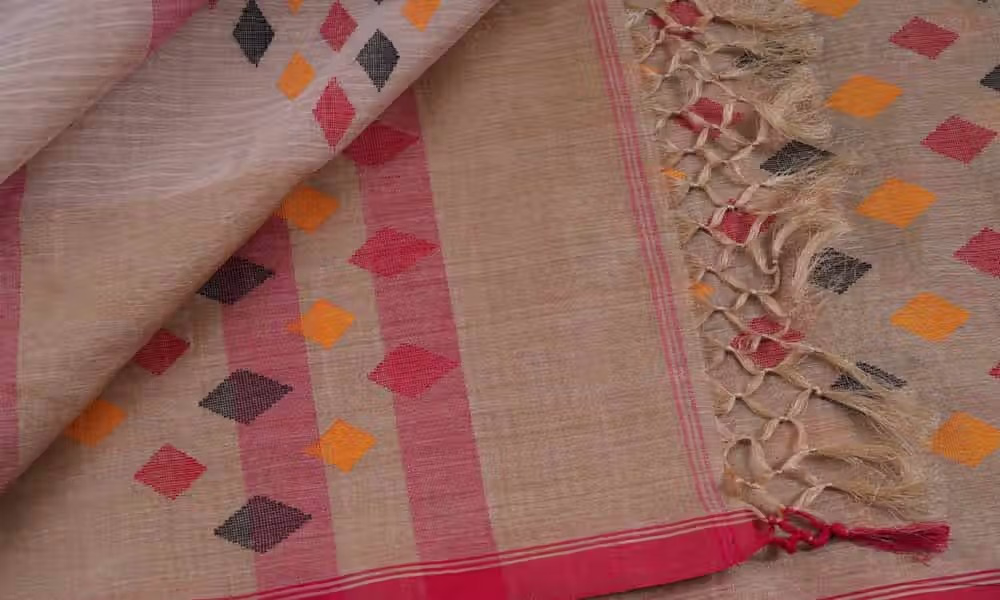
Tussar silk sarees, primarily produced in Jharkhand, Bihar, and Chhattisgarh, are prized for their natural golden sheen, lightweight texture, and breathable fabric. Woven from silk produced by silkworms that feed on wild leaves, Tussar silk has a rustic charm combined with elegance. Traditionally handloomed by skilled artisans, these sarees often feature intricate zari borders and motifs inspired by nature and tribal art.

HISTORY

Uppada Jamdhani Silk Saree

Delicate craftsmanship from the handlooms of Andhra Pradesh.


Originating from Uppada in Andhra Pradesh, Uppada Jamdhani silk sarees are known for their lightweight, soft texture and intricate handwoven designs. Crafted on pit looms, these sarees feature delicate floral and geometric patterns, often highlighted with gold and silver zari work. Traditionally worn by brides and for festive occasions, Uppada sarees are celebrated for their elegance, comfort, and refined artistry. Each saree reflects the dedication of generations of weavers, combining centuries-old techniques with timeless beauty.

HISTORY

Linen Handloom Saree

Breathable elegance woven by skilled hands.

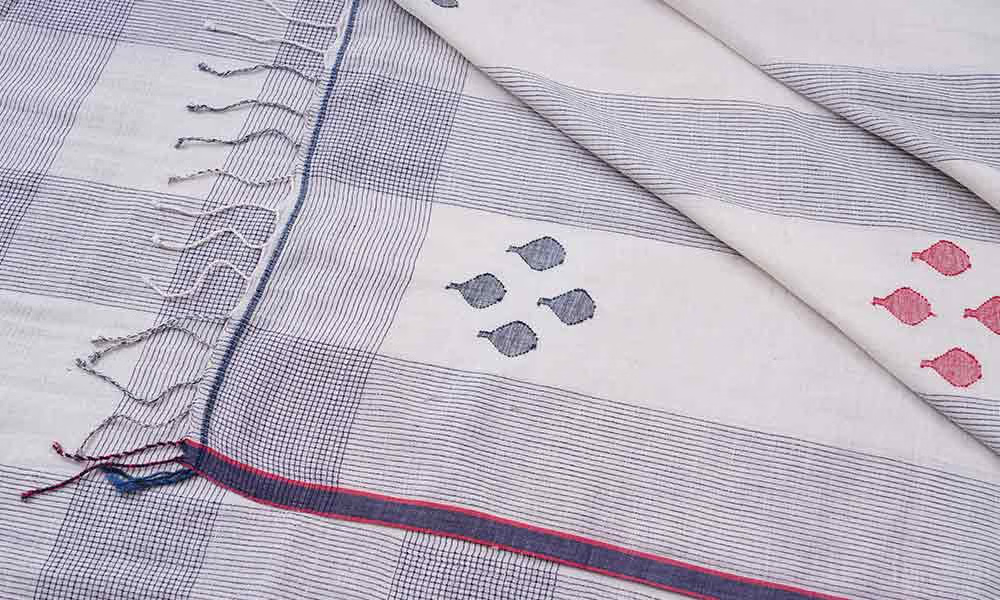
Linen handloom sarees are crafted from natural flax fibers, prized for their lightweight, breathable texture and durability. Traditionally woven on handlooms, these sarees feature simple yet elegant designs, often with subtle stripes, checks, or borders. Linen sarees have been cherished for centuries for their comfort, especially in India’s hot and humid climate, while still maintaining a sophisticated, graceful appearance.

HISTORY

Narayanpet Silk Saree

Vibrant tradition woven in silk threads.

Originating from Narayanpet in Telangana, Narayanpet silk sarees are renowned for their rich silk fabric, bold borders, and vibrant, contrasting colors. Traditionally handwoven by skilled weavers, these sarees often feature simple yet striking geometric or floral motifs, combined with zari or cotton borders for added elegance. Historically worn for festive occasions and weddings, Narayanpet silk sarees are prized for their softness, durability, and timeless appeal. Each saree reflects the artistic heritage and craftsmanship of Telangana, making it a cherished addition to any wardrobe.

HISTORY

Pochampally Ikat Silk Saree

Heritage patterns woven with precision and skill.

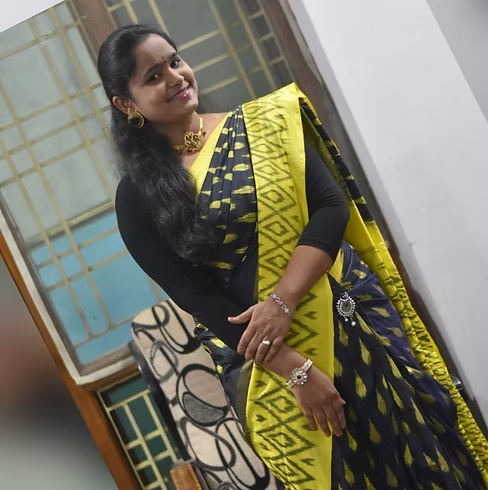
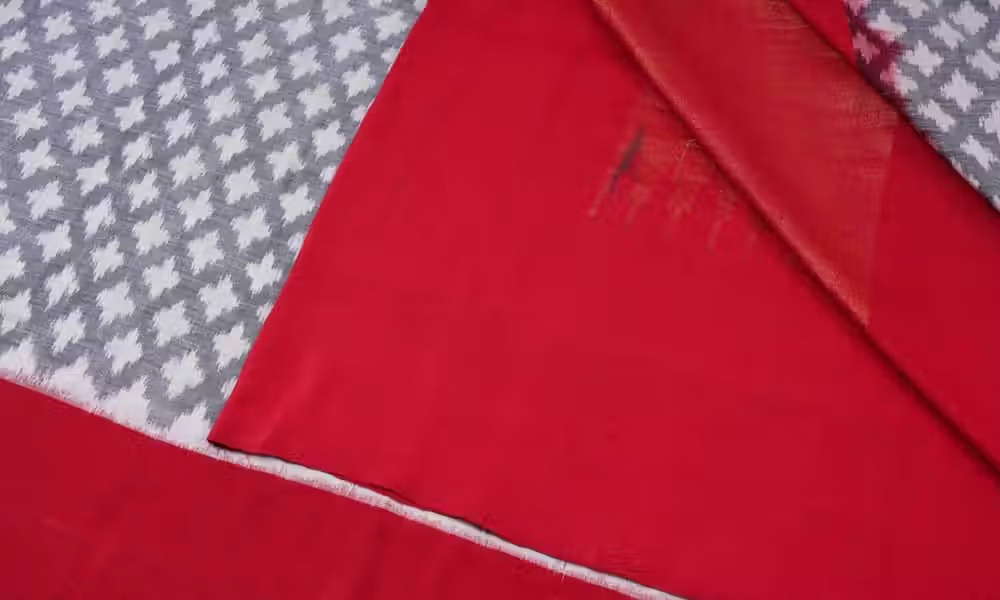
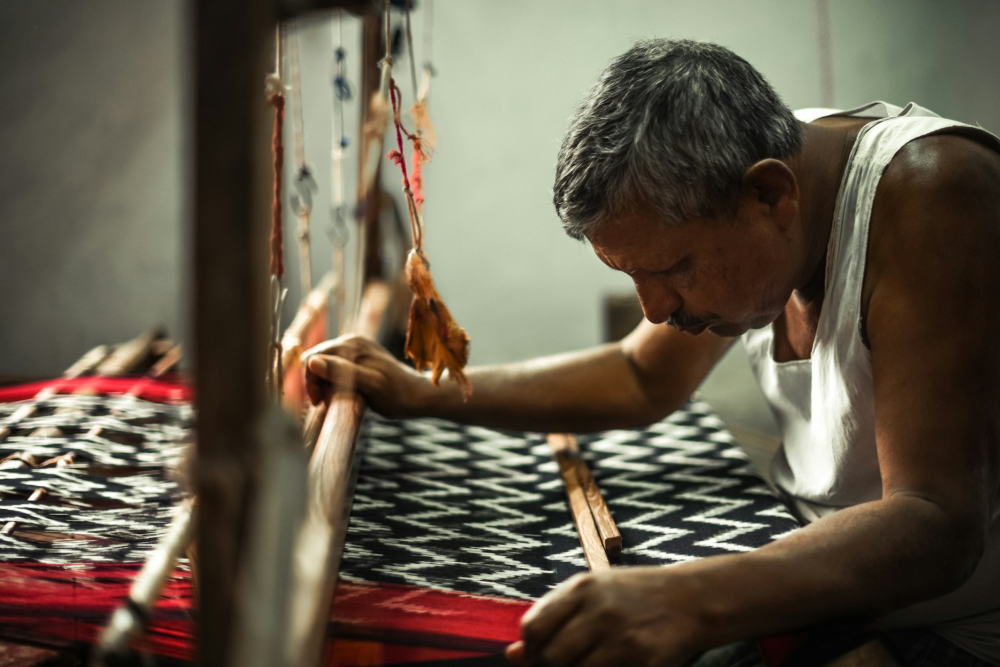
Originating from Pochampally in Telangana, Pochampally Ikat silk sarees are famous for their unique tie-and-dye weaving technique called “Ikat,” which creates intricate geometric patterns and vibrant designs. Woven on handlooms by skilled artisans, these sarees are lightweight, soft, and have a distinct artistic charm. Traditionally worn for weddings and festive occasions, Pochampally sarees are celebrated for their elegance, durability, and the precision of their handloom craftsmanship.

Vishwaveda

About Vishwaveda

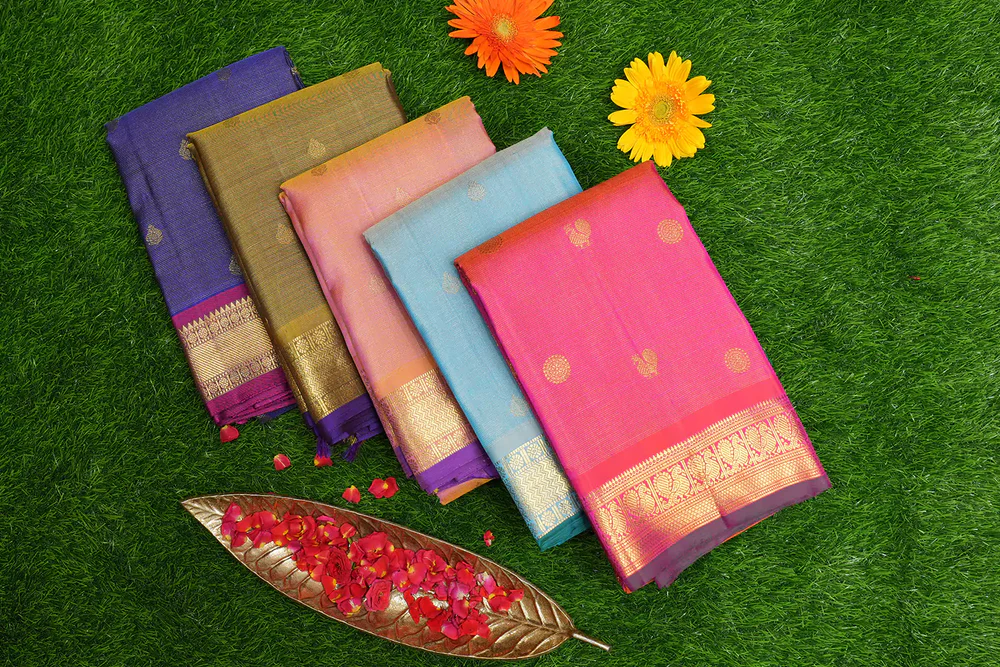
Viswaveda is a brand offering authentic, nature-based sarees from popular textile hubs across India. From the brocades of Benaras, the cottons of Mangalagiri, the Tussars of Bhagalpur, to the block prints of Jaipur, Viswaveda carefully curates hand-made sarees by skilled artisans, keeping the taste of customers of all age groups in mind.

Vishwaveda

Meet the Founder

The founder of the brand, M. Sowjanya, is a Post Graduate from Anna University. She left her career in a top software company to follow her passion and become part of the mission to protect the environment and help customers avoid being cheated by middlemen in the industry.

Vishwaveda

Impact of Fast Fashion

Fast Fashion has influenced the textile industry across the world very much. India, having a rich history and cultural heritage, is partially affected by this trend as well. Fast-Fashion means changing your wardrobe very frequently, such as every 2-4 weeks. To maintain this, the cost of the apparel we buy must be cheap; otherwise, we would empty our savings.
Vishwaveda

Why Choose Us

SEEMINGLY ELEGANT DESIGN

About our online store

Risus suspendisse a orci penatibus a felis suscipit consectetur vestibulum sodales dui cum ultricies lacus interdum.

One morning, when Gregor Samsa woke from troubled dreams, he found himself transformed in his bed into a horrible vermin. He lay on his armour-like back, and if he lifted his head a little he could see his brown belly, slightly domed and divided by arches into stiff.

Dictumst per ante cras suscipit nascetur ullamcorper in nullam fermentum condimentum torquent iaculis reden posuere potenti viverra condimentum dictumst id tellus suspendisse

DEVELOPED BY XTEMOS STUDIO @ 2021.

We work through every aspect at the planning

0
FOUNDING YEAR
0
HAPPY COSTUMERS
0
COMPANY WORK WITH US
0
OFFICES
0
TEAM MEMBERS
0
PROJECTS COMPLETED

What Our Customers Say

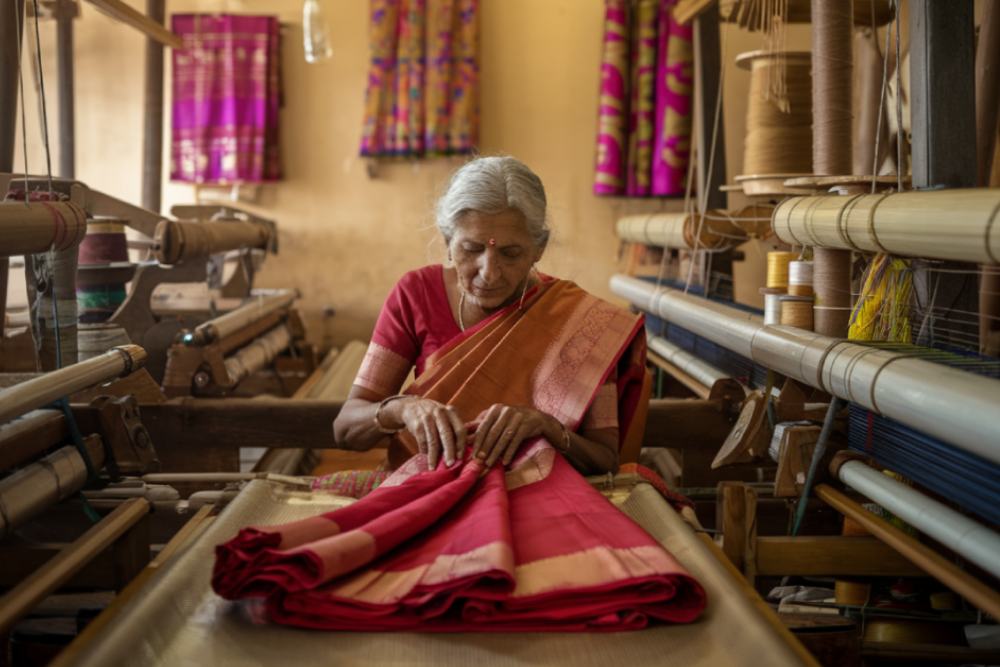
Every saree we weave carries a story